How To Improve Your Story Telling with Kimly Scott
Hi All,
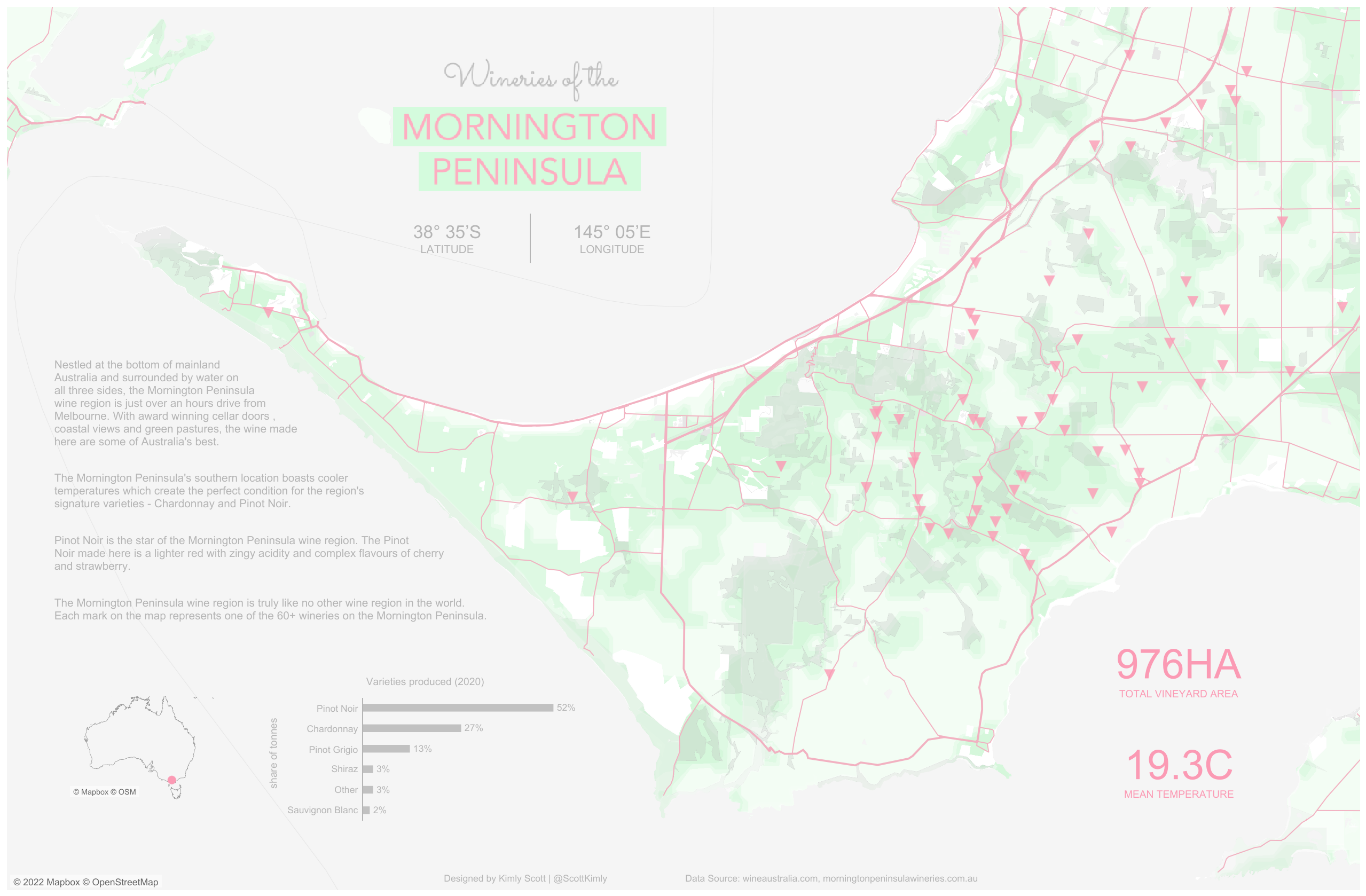
CJ: Thank you for joining Kimly. I was reading your introduction to Tableau on this medium blog. Why was Makeover Monday a good starting point for you?
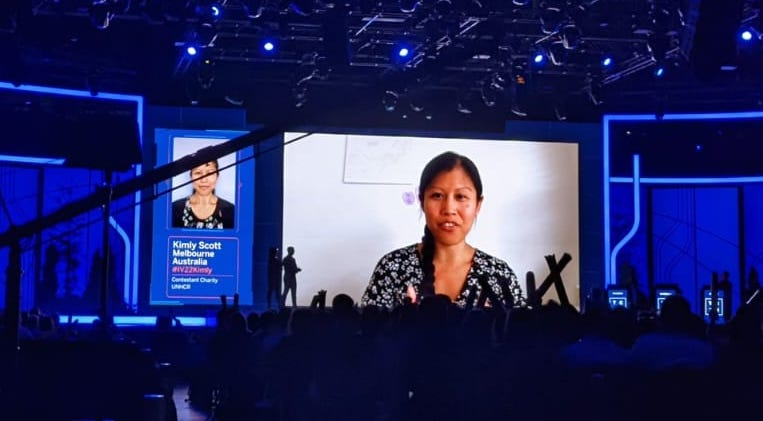
K: Firstly, thank you CJ for inviting me to be on “What’s Good” and for the lovely introduction. Vegas and Iron Viz was a great experience, but made all the more wonderful being able to share it with you and everyone else.
I think Makeover Monday is a good starting point into Tableau and data visualisation for everyone and I’m delighted to see that it’s coming back.
For me, it was a great starting point for many reasons. I found Makeover Monday as I was just beginning my Tableau journey. Having something to work on every week, with manageable datasets supplied was a great way to practice and consolidate both my Tableau and data analysis skills. It also provided a connection to the community, feedback on my work helped me grow my confidence. When people ask me what they should do in order to get into data visualisation and Tableau, my answer is alway to participate in Makeover Monday.
CJ Side note: This question was timely written a few weeks before the re-launch of Makeover Monday, do check it out and get involved. So glad its back, especially given Kimly's testimonial above. Here is a review of week 1.
CJ: You mention in the community blog as well as the guest blog in the Flerlage Twins about keeping things simple. Do those words still resonate with you today? Do you mean simple in understanding, context or design? What are some of your design tips on creating clean, simple dashboards?
CJ: What considerations should individuals give when visualizing topic matters that are perhaps more sensitive, or evoke strong emotion?
K: I think we need to remember that although we may not personally be affected by these sensitive topics, it can be a trigger for many others. If the topic you are vizzing can be a trigger for some - add a trigger warning - let the people decide if you want to view your viz or not.
If you’re unsure whether you have handled the topic appropriately, get a second opinion. There are so many people in the community willing to offer feedback.
CJ: It’s great to see you join the data and diversity team as well be a strong advocate of Moms Who Viz, I particularly enjoyed reading your piece on breaking bias. Can you tell us a little more about your build process when it comes to these topics. How do you navigate analyzing data with showcasing your personal story? Does one lead to the other?

K: One does definitely lead to the other. I get many viz ideas from my life. Sometimes, something will happen in my life that triggers a viz idea and so I’ll go looking for the data to build a viz. Other times I’ll come across an article or data set that resonates with me, so I’ll incorporate my story into the viz. For me, the hard part is balancing how much of my story I want to include and share in the viz. As a typical introvert who hates small talk and prefers the deep and meaningful, I tend to overshare at times!
CJ: One of the most impactful aspects of your visualizations is how you are able to bring the person behind the numbers of figures to life. Do you find that often we get caught up in the numbers? Are there any storytelling means that we could perhaps consider more in the business setting, that helps elevate meaning behind the number?
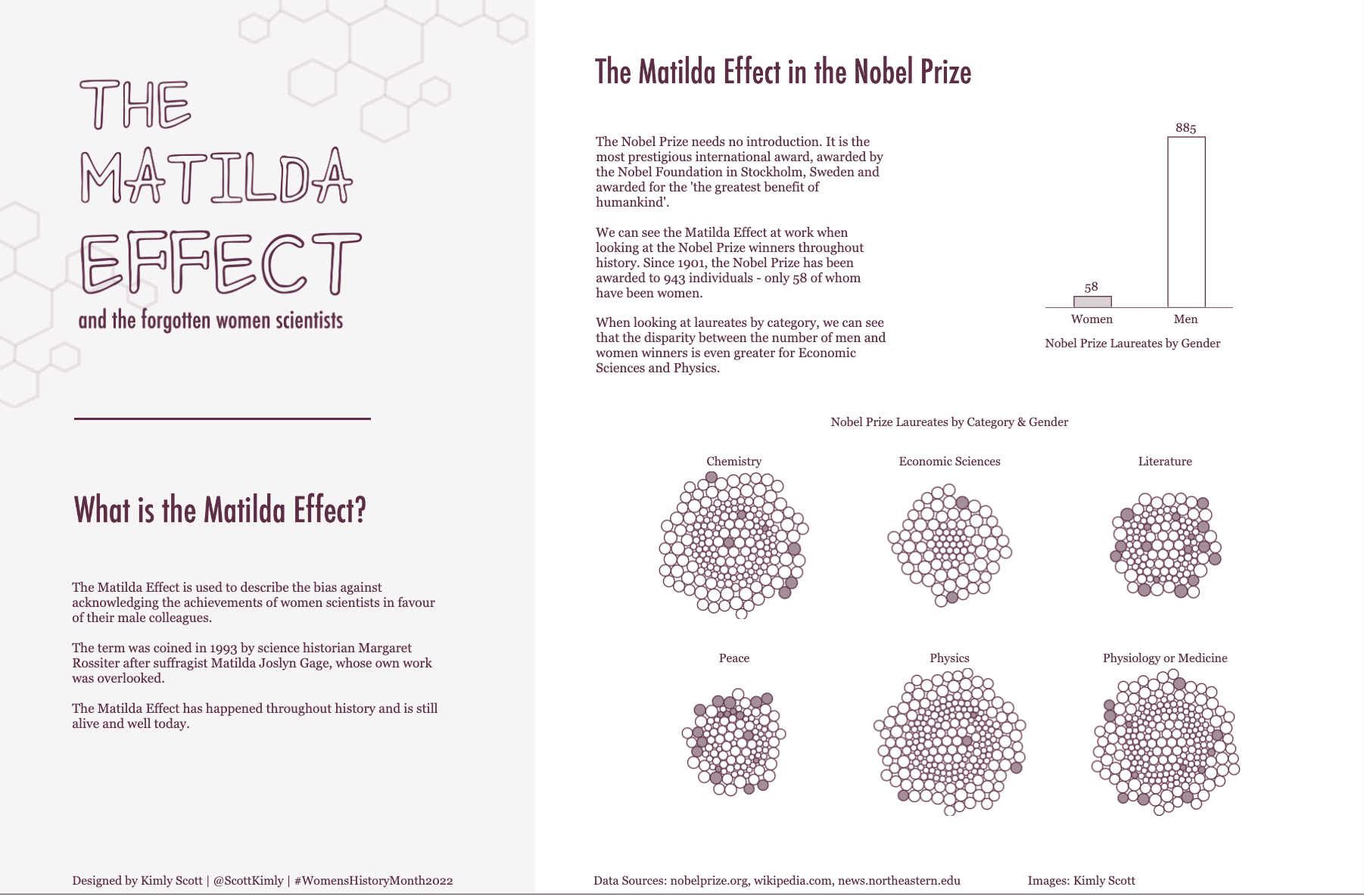
K: Yes, as analysts, we can absolutely get caught up in the numbers. In terms of elevating the meaning behind the numbers in a business setting, when we are vizzing we can provide context to the data we are showing. Use annotations and callouts and be sensitive in the wording that is being used. In addition, look at the colours we are using - are there any colours that are not appropriate for certain subjects or colours that reinforce stereotypes?
CJ: What I appreciate a lot about you is your strong sense of values. One being, the importance of your family. You dedicated your Iron Viz to your mum and dad and it was great that you had your little one's support for Iron Viz. How does your family impact your data visualization topics more widely?
K: I get a lot of ideas from my life and my family - they are my inspiration - and you’ll see that in my vizzes. I’m a big believer of vizzing your personal lived experiences because it provides weight and context to your message. So you’ll notice that personal experience is scattered here and there in my vizzes.
I’ve also got two vizzes in my profile, one dedicated to each of my girls. See if you can spot them.
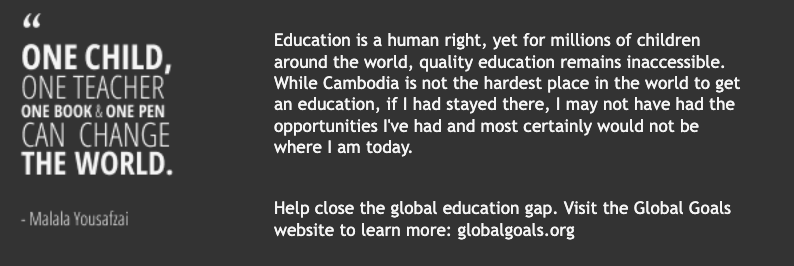
CJ: I love that during your Iron Viz you referred to a quote by Malala Yousafzai and within your new site you quote Viola Davis. Both quotes are used in reference to supporting one another. For you personally, why is that supportive network so important?
K: I don't believe we live in a vacuum. There’s a saying “it takes a village”. This is often referred to when speaking about raising children - you can't do it on your own, it takes a village to raise a child. But I believe it can apply to life in general. A supportive network is so important to me because my support network allows me to do what I do. They are also there to share and celebrate my triumphs (like getting into the Iron Viz finals) and support and encourage me when things don’t go to plan (like not winning the IronViz finals).
In the data visualistion community - having the support of the community can give you confidence, grow your skills and create that support network that I think is needed to succeed. I’ve had some many people support and nurture me, so it’s time to pay it forward.
CJ: Your new site is predominantly focused on uplifting other women in the community. Are there any individuals you’d like to call out that significantly impacted your journey? As community advocates, what more could we be doing?
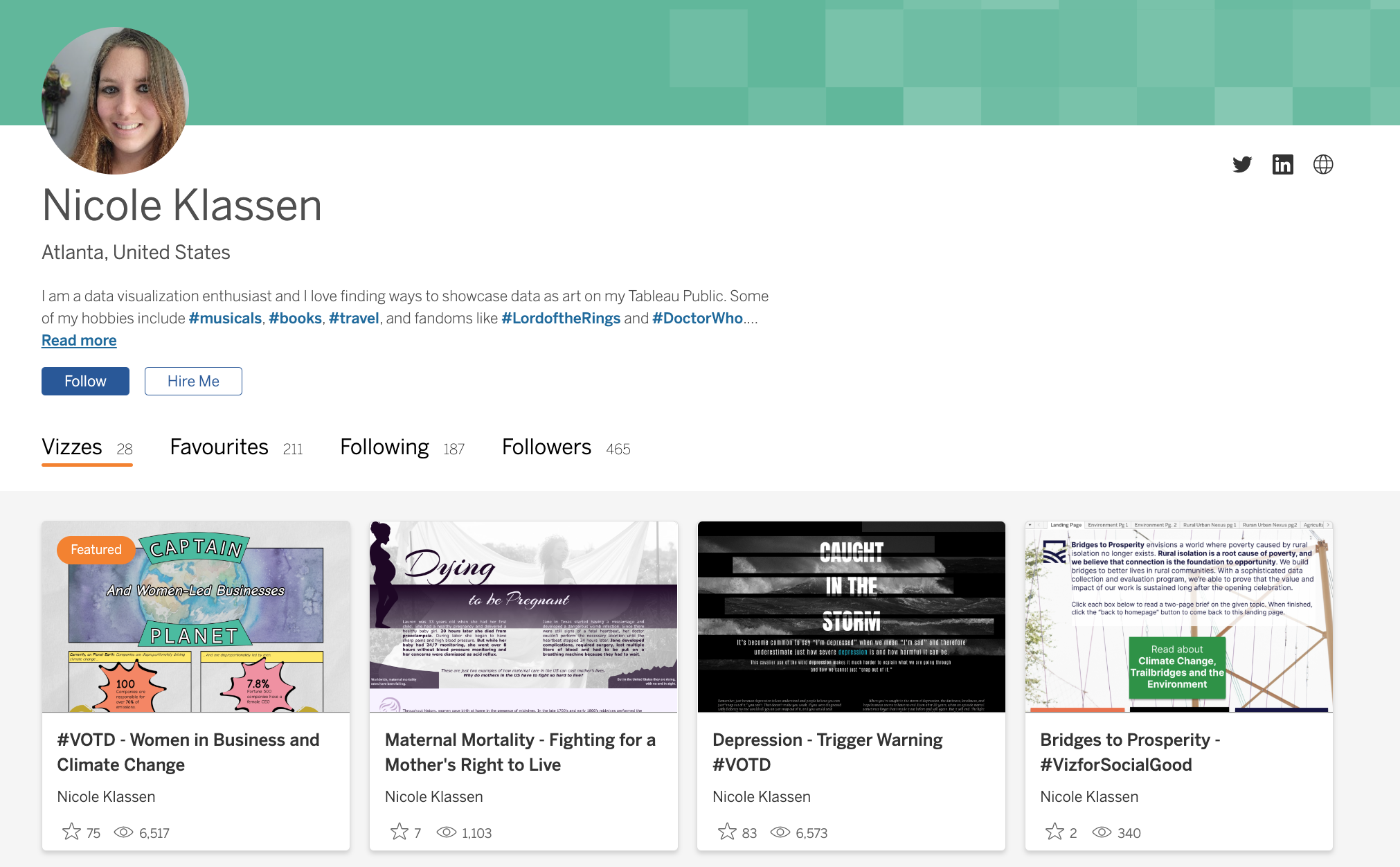
K: Again, it takes a village and I don’t believe I would be where I am today without the support of many in the community. My current boss is absolutely amazing and has been such a great support for me during the last few years - in particular during the height of the pandemic. In terms of the community, I’d love to call out Eva Murray, Thi Ho, Nicole Klassen, Sarah Bartlett, Lindsay Betzandahl, Kevin Flerlage, Caroline Yam and Michelle Frayman. These wonderful people have impacted me through various points in my journey and through various ways, even today (even if they don't know it!).
I think as community advocates, one of the things we can do is be aware of our privilege. The privilege of being a Tableau Ambassador means that I can and should help elevate more underrepresented voices in our community - promoting and sharing work and providing a platform to share knowledge. This is what I’m trying to focus on at the moment and I am aware that there is a lot more I can do, but it will come in time.
CJ: What’s next for Kimly Scott and She Will Viz?
K: To be honest CJ, I have no idea! I don’t have much time to do extra curricular things so I have to take things as they come. I’d love to grow She Will Viz into something more than interviews with women as I mentioned in my first blog post, but we will have to see how that pans out.
CJ Round-up:
Thank you to Kimly for taking the time to join the blog and share her personal learnings on storytelling. I am constantly learning from Kimly and hope others are too, in how they articulate and humanise numbers on a page. Thank you for your openness, and thank you for your honesty in vizzing.
I am so appreciative of Kimly's efforts to help elevate others in the community. I think Kimly really exudes all the positive characteristics of the community and am so excited to continue following her She Will Viz blog platform. You can check out the first of these with Nicole, here.
LOGGING OFF,
CJ